
Event discovery
How to find unusual events that never reach the big listings
The best small events often use specific language. Search for the format, the people behind it, and the places where it might happen.
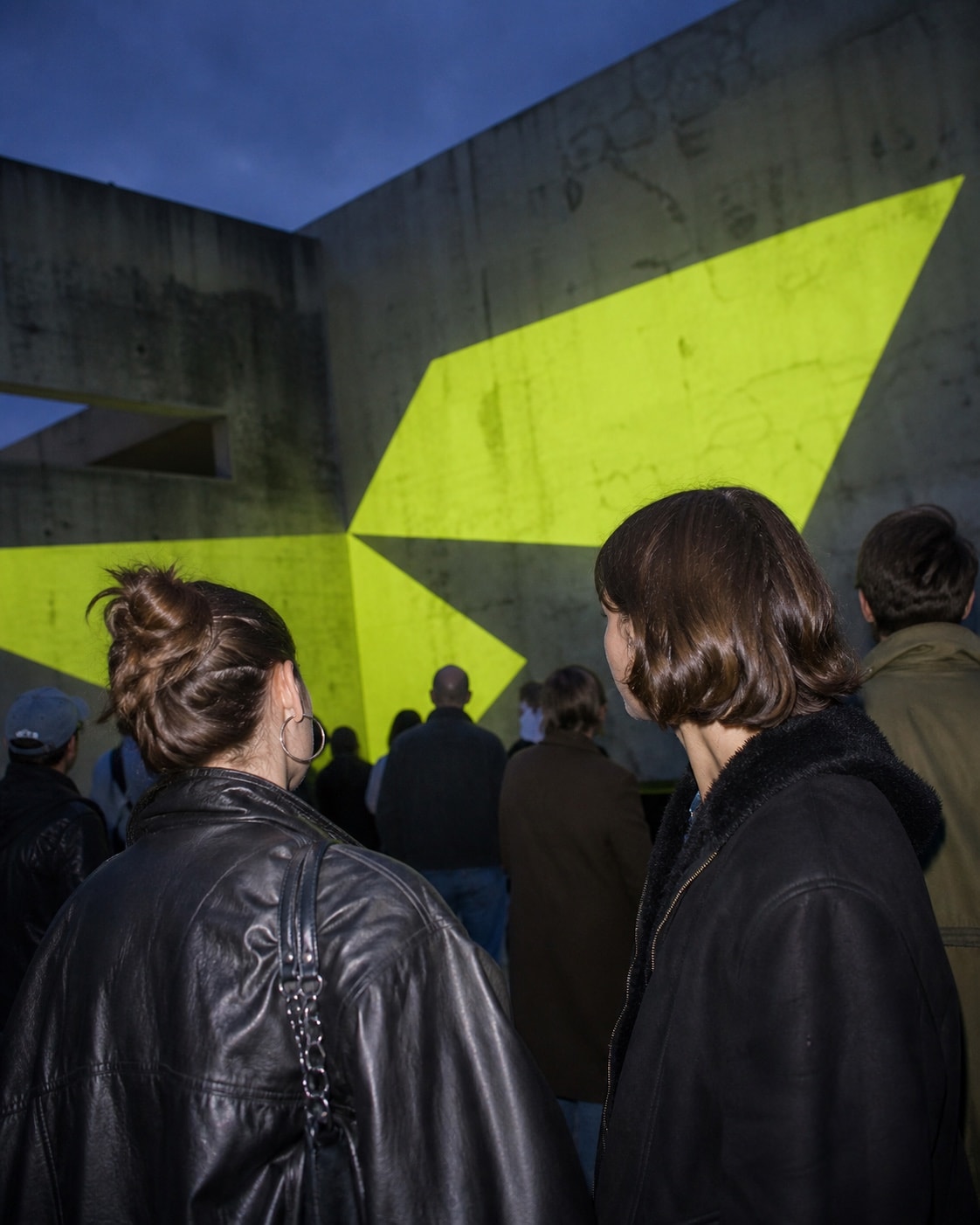
Unusual events are not necessarily secret. They are often described too specifically to appear in a generic search. To find them, search for formats, communities, venues, and nearby places rather than broad labels such as “entertainment” or “things to do.” Then confirm the practical details on a current source.
Replace broad categories with event formats
Broad categories are crowded and repetitive. Formats are more precise. A search for “music” may favour large concerts. Searches for “listening session,” “modular synth workshop,” “record fair,” “open rehearsal,” or “acoustic garden session” can surface smaller experiences.
Try the same shift with other interests:
- art becomes open studio, print workshop, artist talk, zine fair, or gallery late;
- food becomes producer market, supper club, tasting workshop, harvest day, or fermentation class;
- cars become historic rally, cars and coffee, paddock open day, autocross, or club meet;
- science becomes observatory night, field walk, citizen science survey, or lab open day;
- film becomes archive screening, director Q&A, rooftop cinema, or short-film programme.
The format tells a search engine what actually happens. That is more useful than a general theme.
Search the hosts, not only the event
Interesting small events cluster around certain kinds of places. Independent venues, museums, universities, community gardens, repair workshops, artist studios, maker spaces, specialist shops, libraries, observatories, and clubs frequently run public programmes.
Once you find one good event, inspect the host calendar. A venue that runs one thoughtful programme often runs more. Follow the organizer too, especially if it works across several locations.
Official city calendars can help you identify these hosts. The Berlin events guide separates programmes such as interactive exhibitions, food events, film festivals, and seasonal activities. Go To Warsaw combines major events with exhibitions, walks, markets, and recurring local programmes. The event names are also vocabulary for your next search.
Add a neighbourhood or nearby place
City-wide searches favour popular central venues. Add a district, neighbourhood, park, university, museum quarter, or nearby town. Smaller communities may have excellent calendars but weaker search visibility.
Distance matters more than administrative boundaries. If you would travel 25 kilometres, include places just outside the city. If you only have two free hours, tighten the radius and favour simple arrival and entry.
Search in the local language
Many organizers publish a local-language event title even when visitors can participate. Translate the event format, not a full sentence. Combine the local term with a city, district, venue type, or date.
Keep an eye on practical language. A page can be current and legitimate but still assume local knowledge. Confirm whether registration, membership, age restrictions, or language fluency are required.
Follow the source trail
Discovery and verification are different steps. A newsletter, social post, calendar, or search result can reveal an event. The final decision should use the strongest current source available.
Look for:
- an organizer or venue page;
- a clear future date and year;
- a specific location;
- a current registration or ticket link when needed;
- a cancellation or update notice;
- matching details across more than one source when the event involves significant travel or cost.
A recognisable title is not proof, and a missing price does not mean an event is invalid. Free community events often have no ticket price. What matters is that the date, place, event format, and source are coherent enough to act on.
Use event vocabulary as a map
You do not need to know every niche term before you begin. Let one credible calendar teach you the vocabulary used by local organizers. A city page might group an event as an interactive exhibition, while the host calls it a sensory installation. Search both phrases and compare the results.
Useful modifiers include:
- open, public, community, independent, small-format, after-hours;
- workshop, demonstration, screening, meet, walk, exchange, session;
- archive, studio, garden, lab, observatory, paddock, rooftop;
- one-day, pop-up, monthly, seasonal, late, open house.
Combine one subject, one format, and one place. “Ceramics open studio east London” is usually more productive than “unique London events.”
Separate discovery clues from proof
Posters, newsletters, community posts, and reposted stories are excellent clues. They are not always enough to support a journey or purchase. Use them to identify the event name, host, venue, and likely date, then find a current page that confirms the essentials.
Be cautious when:
- the year is absent;
- the only date appears inside an old image;
- the venue and organizer pages say different things;
- the booking link is broken or points to a past edition;
- several copied listings repeat the same incomplete description;
- the event requires payment but the seller cannot be connected to the organizer.
None of these signs proves an event is false. They mean the next step is verification, not promotion into your shortlist.
Find the smaller event beside the big one
Major festivals, conferences, races, and cultural weeks create related programmes around a city. Search for partner venues, fringe programmes, public workshops, club meetings, exhibitions, and community days connected to the same theme. These smaller events can be easier to attend and more focused than the headline programme.
Check whether the relationship is official. Do not assume that every event using a popular festival name is an approved part of it.
Keep novelty in proportion
An unusual title can attract attention while hiding a weak fit. Ask what you will actually do, how long it lasts, who it is designed for, and whether the format suits your energy. The goal is a worthwhile experience, not merely the strangest link.
Use chains instead of isolated searches
A good discovery session creates a chain:
- Find one promising event.
- Open the host calendar.
- Identify the organizer or recurring series.
- Search that format in another neighbourhood.
- Save the strongest source, not every repost.
This method gradually teaches you where your city’s interesting events live. It also reduces dependence on whichever platform happens to rank first.
Ask for a feeling, not a perfect keyword
If you do not know the right event vocabulary yet, start with the outcome you want: “something hands-on and social,” “quiet culture after work,” “outdoors with classic cars,” or “a strange small performance this weekend.”
Describe that feeling to EventDrift and add your city, date, and travel radius. EventDrift searches for current candidates and checks the essentials before presenting the strongest matches. Read how the checks work or use the broader local event search guide when you want to search manually.
The useful test
An unusual event is worth considering when it passes three tests:
- It matches a real interest or mood, not only the novelty of the title.
- You can confirm when and where it happens.
- The effort to attend fits the value you expect from it.
Unusual does not have to mean difficult, expensive, or obscure. It can simply mean a better fit than the same obvious list everyone else sees.