
Weekend planning
What to do this weekend when every list feels the same
A good weekend plan does not need more options. It needs a clear mood, one anchor event, and enough space around it.
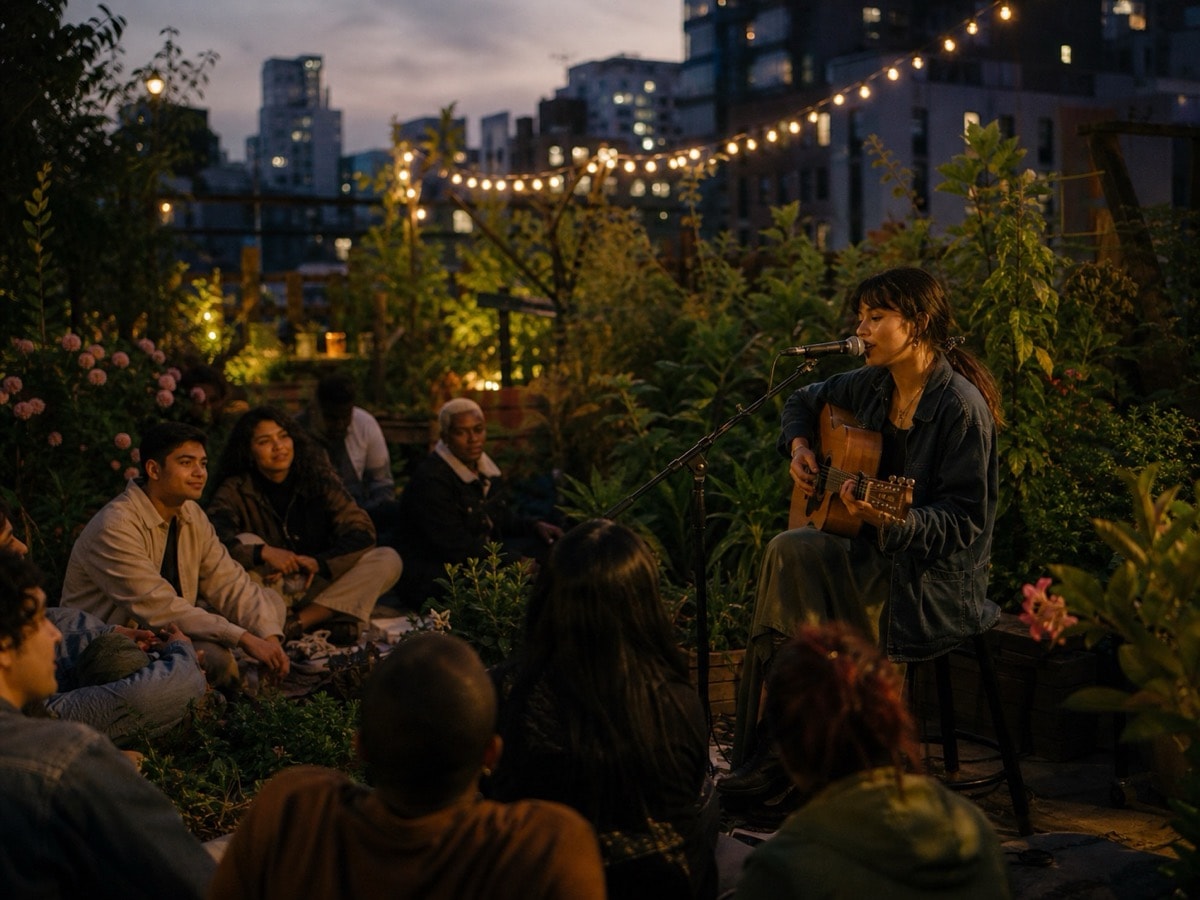
When every weekend list looks the same, do not ask for more options. Ask for one plan that fits your current mood, time, distance, and budget. Choose an anchor event first, then build only the minimum around it.
Decide what kind of day you want
Start with energy, not genre. Pick one direction:
- social or quiet;
- indoors or outdoors;
- active or observational;
- familiar or surprising;
- planned or flexible.
“Quiet, indoors, and surprising” is more useful than “culture.” It can lead to a small exhibition, archive screening, listening session, museum late, or guided building tour. “Social, outdoors, and active” might lead to a community ride, maker market, field workshop, or open-air class.
Set your real constraints
A plan fails when the logistics do not match the day. Decide these before browsing:
- the earliest time you can leave;
- the latest time you want to return;
- your maximum travel distance;
- your total budget;
- whether you need a booking;
- who is coming and what they need.
Be honest about the travel radius. A perfect event can become a bad plan if the journey consumes most of the free time.
Pick one anchor event
The anchor is the reason to leave home. It should have a fixed time, a clear place, or enough personal interest to shape the rest of the day. Everything else is optional.
Good anchors include a workshop, one-off performance, guided walk, market, exhibition opening, club meet, public talk, or outdoor programme. If the anchor is flexible, give it your own start time so the day does not dissolve into indecision.
Official calendars are useful for the first pass. Visit London, Visit Austin, and Go To Warsaw all let visitors browse a mix of current programmes. The organizer or venue page should still be your final check.
Compare three candidates, not thirty
Use a simple scorecard:
| Question | Candidate A | Candidate B | Candidate C | | --- | --- | --- | --- | | Does it fit the mood? | | | | | Can we get there easily? | | | | | Are the date and place confirmed? | | | | | Is entry clear? | | | | | Would we regret missing it? | | | |
The final question breaks ties. A recurring exhibition can wait. A one-day workshop or rare open venue may not.
Check the details before committing
Open the organizer or venue page and confirm the date, year, start time, location, ticket or registration requirement, and current status. Check weather and transport separately when they materially affect the plan.
If an event is free, verify whether it still needs a reservation. If a price is missing, do not assume it is free. If a page is old but still ranks well, find a current calendar entry or announcement.
Leave space around the anchor
One memorable event is often enough. Add at most one nearby food stop, walk, or flexible activity. A plan with five timed stops is fragile and usually feels more like administration than free time.
Use location to make the rest easy. Search near the venue rather than crossing the city again. If the event ends early, keep a low-effort backup that does not require a booking.
Plan differently for different groups
Going alone
Choose an event with a clear activity or programme. Workshops, talks, screenings, guided walks, and small performances give the day structure without requiring you to arrive with a group. Check whether the venue has allocated seating, standing room, or a social format if that affects your comfort.
Going with friends
Agree on the constraints before sharing links. Ask each person for one hard limit, then let one person make a shortlist of three. Group chats become difficult when everyone adds options but nobody removes them.
Going with family
Confirm more than the “family-friendly” label. Check the suggested age, running time, toilets, food, weather exposure, step-free access, and whether a pushchair can enter. A short event with simple arrival can be a better day than a more impressive programme with fragile logistics.
Give outdoor plans a real backup
A backup should be nearby, flexible, and acceptable on its own. Do not build two complete competing itineraries. Pick one indoor venue, café, market hall, or exhibition that requires little planning.
Check the organizer page on the day for weather changes. “Rain or shine,” relocation, and cancellation are different outcomes. If the event has equipment or clothing advice, treat it as part of the entry information.
Use a stopping rule
Weekend browsing expands because there is always another list. Set a stopping rule before you start: choose when one candidate fits every hard constraint and feels better than the two alternatives.
If no candidate passes, change one constraint deliberately. Widen the radius, move the time window, choose a different mood, or raise the budget. Do not relax every condition at once or the search becomes generic again.
Make the next search easier
After the weekend, remember the host or venue that delivered a good experience. Save the calendar, not only the past event. Over time, a small set of trusted local sources makes planning faster and more personal.
Notice which constraints mattered in practice. You may learn that a short journey matters more than ticket price, or that a fixed start time helps you commit. Use that knowledge in the next search.
A ten-minute planning recipe
- Choose three mood words.
- Set a date window, radius, and budget.
- Find three possible anchor events.
- Verify each on the strongest current source.
- Pick the one you would most regret missing.
- Add one nearby optional stop.
- Save the event page and stop browsing.
Let EventDrift make the shortlist
EventDrift is useful when you have a feeling but no event name. Describe what you are up for, choose Budapest, London, Berlin, Warsaw, New York City, or Austin, and set your free time and travel radius. You will get a focused set of current event matches instead of another generic weekend roundup.
For a deeper manual method, read how to find local events. If you want more specific search language, use the guide to finding unusual events.
The goal is not to optimise every hour. It is to find one thing that makes the weekend feel chosen.